
What is a Website in Digital Marketing ? And Why Social Media Isn’t Enough. Imagine opening a sleek, beautiful coffee shop. You put up your own custom neon signs, design the best menu ever, and hire the friendliest baristas.
Thank you for reading this post, don't forget to subscribe!Think about having your espresso machine out on someone else’s front porch, instead of owning or leasing your own physical location. Every time the homeowner tweaks their rules, changes the lock, or rearranges the furniture, your business gets thrown into chaos.
That’s exactly what happens when you rely solely on social media platforms like Instagram or TikTok for your business.
What is a website in digital marketing?
In simple terms, your website is the single digital asset you completely own. This acts as the center point for all your marketing, searching, posting, and advertisement expenditure.
Let us analyze what a website being a brochure website and an essential element of your digital marketing strategy means.
What is a website in digital marketing?
By technical definition, a website is a set of web pages that are located at a particular domain name. But by a digital marketing definition, a website is more than that.
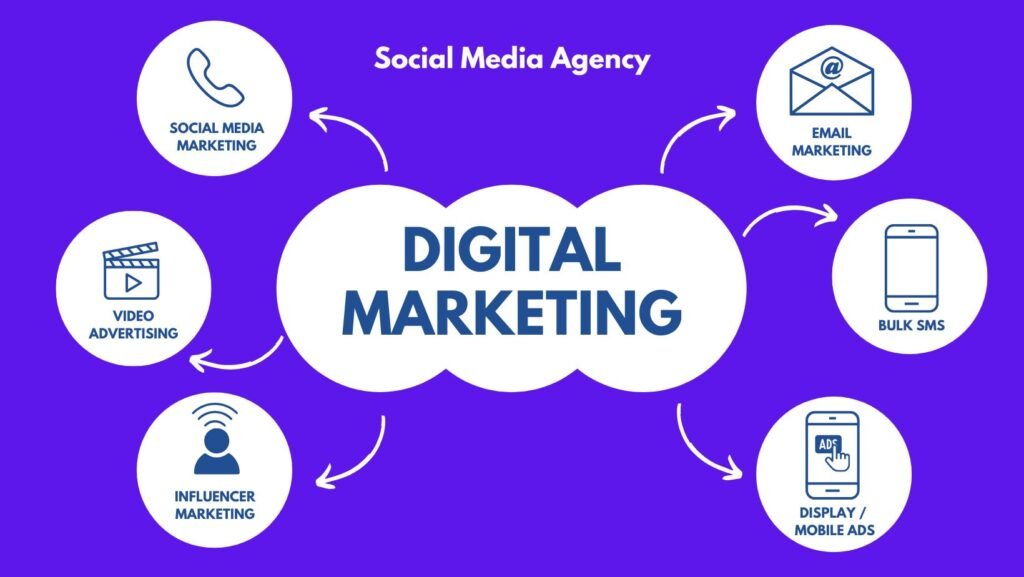
Visualize your digital marketing system as a wheel:
- Social media builds awareness.
- Google Ads capture high-intent searches.
- Email newsletters nurture long-term relationships.
The website acts as the hub at the center of the wheel and performs three important roles:
1. Your Digital Headquarters (HQ)
If the potential customer learns about your brand, he or she will not search for a flyer; they will search for your brand online. Your website will legitimize your company right away. It will offer a place where visitors can get to know everything about you in an uninterrupted manner.
2. The Engine That Converts Browsers into Buyers
Social media apps are designed to keep users scrolling on their platforms. Your website, on the other hand, is designed specifically for action. Whether someone fills out a contact form, books a call, or buys a product, your website turns passive attention into tangible revenue.
3. Your 24/7 Sales Representative
Your team needs sleep; your website doesn’t. A well-designed site works around the clock answering common client questions, demonstrating product value, and collecting qualified leads while you rest.
How Your Website Connects to Every Marketing Channel
If you run digital campaigns without a strong website, you’re essentially pouring water into a leaky bucket. Here is how your site works in tandem with major marketing channels:
Search Engine Optimization (SEO)
Search engines like Google want to give users clear, authoritative answers. By creating useful content through articles, guides, and landing pages on your website, you gain organic search visibility through which traffic comes without any recurring advertising cost.
Paid Ads & Social Media
When you run a Facebook campaign or a Google Search ad, where do those clicks land? Directing ad traffic to a generic homepage often wastes money. Creating targeted landing pages on your website gives visitors exactly what was promised in the ad, dramatically boosting your conversion rates.
Email Marketing
Your email subscriber list is one of your most valuable marketing assets. But to get people onto that list, you need engaging sign-up forms, free guides, or discount codes hosted on your website. After they subscribe, your emails lead them to particular product or blog pages.
4 Elements Every Marketing-Ready Website Needs
If your site seems more like a deserted city than an effective sales engine, be sure that it has these basic requirements:
- Clear Messaging Above the Fold: Within 3 seconds of getting to your website, a visitor must clearly understand what you have to offer and how it helps him solve his issue.
- Mobile Responsiveness: More than 60 percent of total website traffic originates from smartphones. A website that doesn’t work well on mobile phones will instantly be sent to search results.
- Frictionless Calls to Action (CTAs): Instructing visitors what action to perform next is crucial to converting leads into buyers. Utilize direct CTAs such as “Schedule a Free Consultation” or “Get Your Instant Quote.”
- Social Proof & Trust Signals: Customer testimonials, videos, testimonials, certifications, and case studies provide instant credibility before the buyer even talks to your company.
Quick Breakdown: Website vs. Social Media
| Feature | Your Website | Social Media Platforms |
| Ownership | 100% Owned (You control design & content) | Borrowed Land (Algorithms control reach) |
| Primary Goal | Lead capture, sales, authority | Brand awareness, community, engagement |
| Content Lifespan | Years (Search engines index pages indefinitely) | Hours/Days (Feeds refresh rapidly) |
| User Intent | High buying intent | Casual browsing / discovery |
Final Thoughts: Turning Your Site Into a Revenue Generator
So, what is a website in digital marketing? It’s not an optional item on a checklist or a static online business card.
It’s the anchor of your entire digital presence the place where interest transforms into trust, and trust turns into long-term revenue.
If you’ve been relying solely on social media or word of mouth, now is the time to invest in your own piece of digital real estate. Focus on clear copy, simple navigation, and mobile speed, and watch how much more effective all your other marketing efforts become.
Frequently Asked Questions (FAQs)
1. What is a website in digital marketing?
For digital marketing, a website is an important place on the Internet where your customers can come to find information about your products and services, communicate with you, buy your stuff, and do anything else that you want them to do.
2. Why is a website important for digital marketing?
Why do you need a website? First off, it helps create trustworthiness, raises your visibility on the Internet, creates leads and gives you full control over your content and your brand.
3. Is social media enough for online marketing?
No. Social media sites can be excellent tools for creating interaction with customers and increasing brand awareness; however, you will not have control over the site or your followers on it.
4. What’s the difference between a website and social media?
Your website is something that you control, whereas your social media profiles are on someone else’s platform. And your website stays with you forever.
5. Can I get customers without a website?
Sure, but it takes much more effort to do it. You will be missing out on the chance to be ranked on Google, get leads, establish yourself as an expert, and turn prospects into customers.
6. How does a website improve SEO?
Your website helps you to optimize content, choose appropriate keywords, increase loading speed, get back links and rank in search engines, which is impossible to do using social media only.
7. Should small businesses have a website if they already use Facebook or Instagram?
Of course. Small businesses should have their own websites as well because this gives them more credibility and makes local SEO easier.
8. What should a business website include?
The features that should be incorporated into a website are home page, about us page, services/products page, contact page, blog section, customer testimonial and clearly defined call to actions to help customers interact or buy your product.
9. How does a website help generate leads?
A website can generate leads via contact forms, quotations, subscription for newsletters, downloads of material, and landing pages meant to turn website visitors into prospects.
10. Which is better for business growth: a website or social media?
The best way to do it is to combine them both. Social media gets people while your website turns website visitors into clients, which is essential to any digital marketing campaign.